
The future of Development...
Development has gotten so much easier over the last couple of years. AI has changed the game completely. Innovative and bright minded developers can now write apps - or entire solutions - in days, if not hours. Things that used to take weeks or months of work can now be created over a weekend.
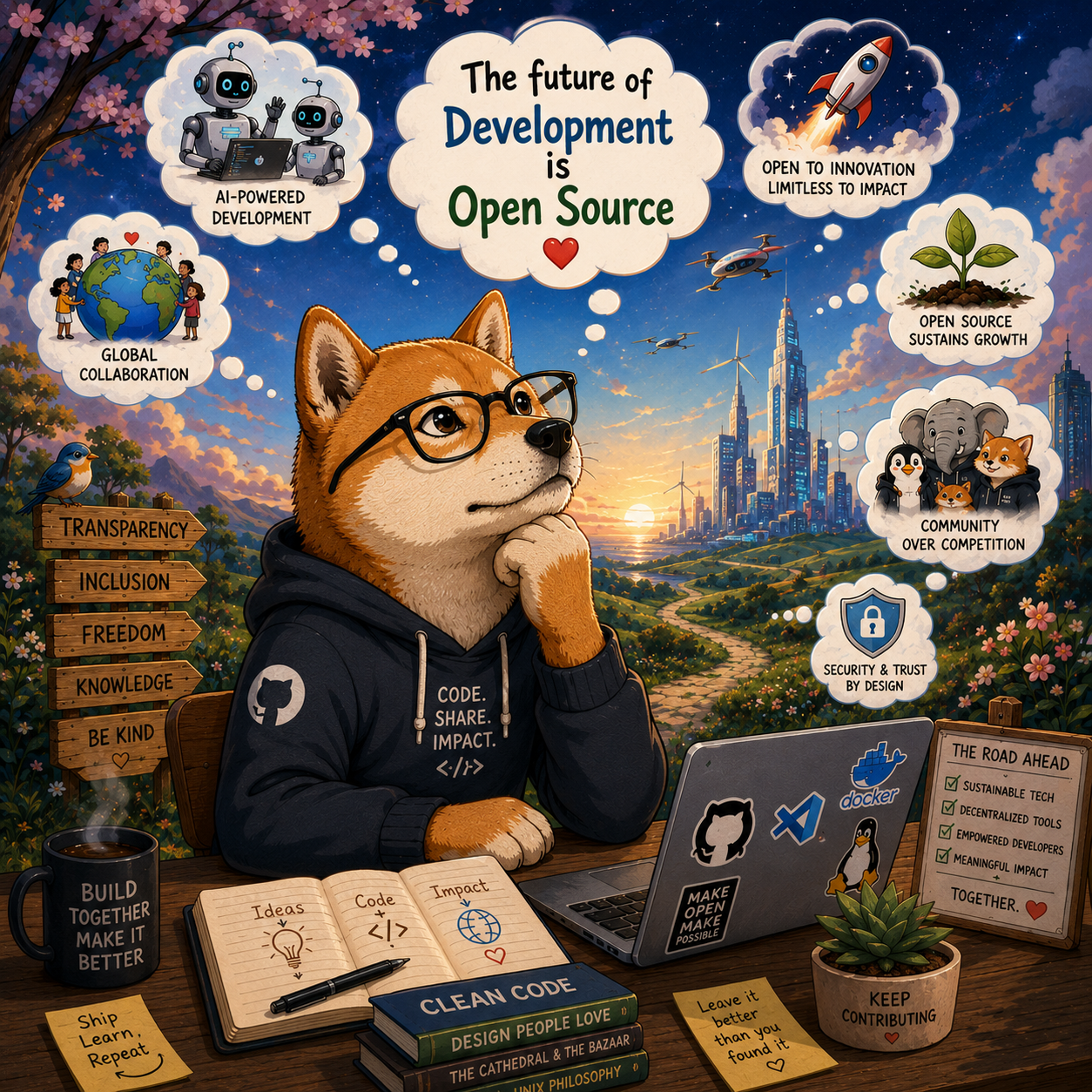
That is amazing… but it is also a bit of a problem. When everybody can build a solution to almost anything in no time, it becomes really hard to make money on apps. The value of a single app is dropping, simply because the next person can build something similar tomorrow.
I ran into this myself recently. When I was looking for a way to let people subscribe to my new blog, I found a few alternatives - but none of them were exactly what I was looking for. I was actually very close to just building my own. And I could have. In a few hours I would probably have had something that did exactly what I wanted.
But that made me stop and think.
Is everyone building their own solution really optimization?
If everybody creates their own solution to everything, is that optimization - or is it the opposite? We end up with thousands of slightly different versions of the same thing, each maintained by a single person, each solving the same problem over and over again.
So how do we get to a world where we can collaborate on apps and tools to a much higher degree than we do today?
I think the answer to that question is Open Source.
I have seen this work first-hand
And as you might know, this isn’t just a theory to me. While I was at Microsoft, I started a number of Open Source projects that have been used by almost everybody in the Business Central community. From Business Central on Docker and the ARM templates, to BcContainerHelper and AL-Go for GitHub - these projects have completely changed the way AL developers do development. And with the recent move to Open Sourcing the base application, Microsoft really goes all-in on Open Source.
Open Source is free - but it isn’t without a cost
Open Source lets us collaborate instead of reinventing the same wheel again and again. But for this to work, people need to start thinking about supporting and sponsoring Open Source initiatives.
Open Source is free - but does that really mean that you don’t need to pay anything when you use Open Source projects? Should the people who maintain Open Source projects not be rewarded for their efforts? And shouldn’t the companies and individuals who rely on these projects support the effort?
There are many ways to support Open Source initiatives. You can collaborate, document, evangelize, develop, test - or you can sponsor. All of these matter.
Because for almost every Open Source project, there are real costs attached to the development. Not just time and effort, but also things like Azure resources and AI tokens. Those costs are very real, and someone is paying them today.
By not sponsoring Open Source projects, we risk that these projects eventually stop being maintained.
Open Source is the answer to a better architecture
There is another reason why Open Source matters, and it is one we don’t talk about enough. Open Source often yields the best architecture and the most secure solutions. When the code is out in the open, it is reviewed by many different people with many different perspectives - not just the handful of developers who happen to work for one company. Bad design decisions get challenged, shortcuts get spotted, and security issues are much more likely to be found and fixed, because anyone can look under the hood. You simply can’t hide a weak architecture or a sloppy security model when everybody can read the code. That transparency forces quality, and over time it tends to produce solutions that are more robust, more maintainable and more trustworthy than anything built behind closed doors.
The strength of Open Source
The really positive thing about Open Source projects is that you are not depending on a single person or a small company to maintain the solution forever. If a solution truly provides value to you, you can find other people to maintain it - or you can grab a fork and continue on your own if you don’t like the direction it is taking.
That resilience is exactly why Open Source is the right foundation for the future. But it only works if we make sure that the inventors of the apps and services everybody uses can continue maintaining these things.
Open Source from Freddy…
I will be launching and talking about a number of new Open Source initiatives over the next months - projects that much like the BcContainerHelper can help partners and customers revolutionize the way they do development. Visit my sponsor page to keep these projects alive and thriving.
The future of development is Open Source
The future of development is Open Source - because anybody can try to create their own version of anything, but is that really what we want? Think about it… is the true value of your offering really the lines of code in your app? Or is it the support, the service and the community behind it? For Business Central, it’s clear - somebody could grab the base application and make it run on Google Go - but would that really be what people want?
The future of app development is Open Source - we just need to make sure that this is a joined effort. Because even though it is free, it isn’t without a cost.
Enjoy
/Freddy